
Description
Dhd 6-Point STAR Effect Filter for Lenses with 67mm Diameter
Dhd 6-Point STAR Effect Filter for Lenses with 67mm Diameter
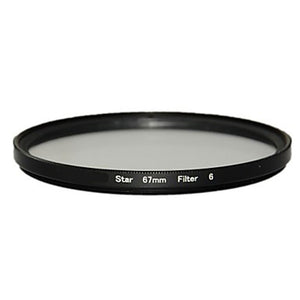
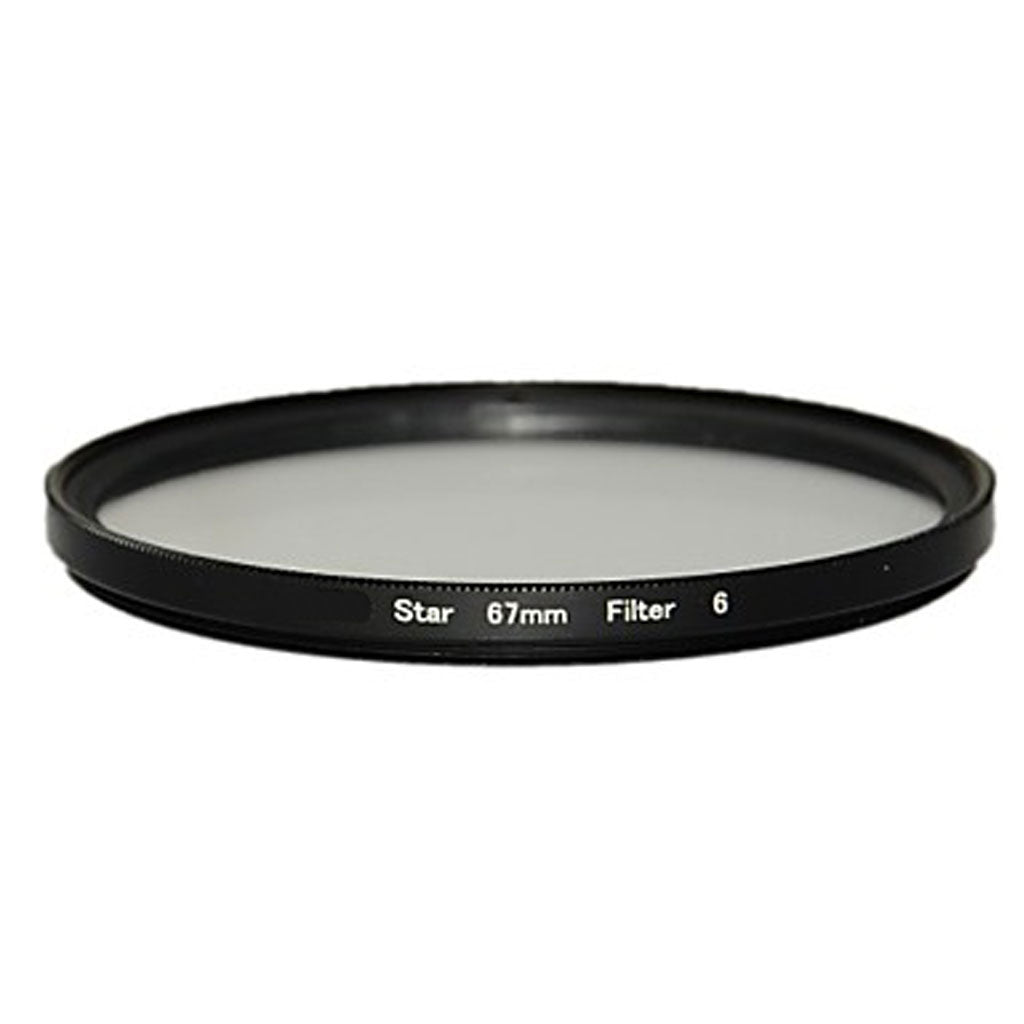
The star filter is also called a cross screen filter. A star filter creates a star-shaped pattern that radiates from a bright light. The number of star points varies depending on the type of filter, up to a maximum of sixteen.
Useful Information:
A photographic filter is an optical accessory that, when placed in front of the lens, can make a specific change to the captured image. Its peculiarity is that it selectively allows light to pass through, modifying what actually reaches the sensitive medium. By stating that no software can perfectly emulate the effect of filters, we confirm that: the changes we make to the image directly during shooting, by modifying the light with the aid of a filter, will be more real and will maintain the original quality of the file (in the digital realm).
If, on the other hand, we tried to reproduce an effect through post-production, we would realize that the more we modify the file, the more the overall quality will suffer, and even when using a .RAW file, we would inevitably have to deal with the appearance of artifacts and the degradation of the photo's quality. There are many types of filters commonly used in photography, but they all share a common characteristic: the way they are applied to the lens. There are primarily two types: screw-in filters and plate filters, which require an additional accessory to be used.
Dhd 6-Point STAR Effect Filter for Lenses with 67mm Diameter
Dhd 6-Point STAR Effect Filter for Lenses with 67mm Diameter
The star filter is also called a cross screen filter. A star filter creates a star-shaped pattern that radiates from a bright light. The number of star points varies depending on the type of filter, up to a maximum of sixteen.
Useful Information:
A photographic filter is an optical accessory that, when placed in front of the lens, can make a specific change to the captured image. Its peculiarity is that it selectively allows light to pass through, modifying what actually reaches the sensitive medium. By stating that no software can perfectly emulate the effect of filters, we confirm that: the changes we make to the image directly during shooting, by modifying the light with the aid of a filter, will be more real and will maintain the original quality of the file (in the digital realm).
If, on the other hand, we tried to reproduce an effect through post-production, we would realize that the more we modify the file, the more the overall quality will suffer, and even when using a .RAW file, we would inevitably have to deal with the appearance of artifacts and the degradation of the photo's quality. There are many types of filters commonly used in photography, but they all share a common characteristic: the way they are applied to the lens. There are primarily two types: screw-in filters and plate filters, which require an additional accessory to be used.
SKU:DHD STAR 67mm
Dhd 6-Point Star Effect Filter for Lenses with 67mm Diameter
- Regular price
- €11,20
- Sale price
- €11,20
- Regular price
-
Hai trovato un prezzo migliore?

Dhd 6-Point STAR Effect Filter for Lenses with 67mm Diameter
Dhd 6-Point STAR Effect Filter for Lenses with 67mm Diameter
The star filter is also called a cross screen filter. A star filter creates a star-shaped pattern that radiates from a bright light. The number of star points varies depending on the type of filter, up to a maximum of sixteen.
Useful Information:
A photographic filter is an optical accessory that, when placed in front of the lens, can make a specific change to the captured image. Its peculiarity is that it selectively allows light to pass through, modifying what actually reaches the sensitive medium. By stating that no software can perfectly emulate the effect of filters, we confirm that: the changes we make to the image directly during shooting, by modifying the light with the aid of a filter, will be more real and will maintain the original quality of the file (in the digital realm).
If, on the other hand, we tried to reproduce an effect through post-production, we would realize that the more we modify the file, the more the overall quality will suffer, and even when using a .RAW file, we would inevitably have to deal with the appearance of artifacts and the degradation of the photo's quality. There are many types of filters commonly used in photography, but they all share a common characteristic: the way they are applied to the lens. There are primarily two types: screw-in filters and plate filters, which require an additional accessory to be used.
Couldn't load pickup availability


Terms and Conditions
Terms and Conditions
