
Description
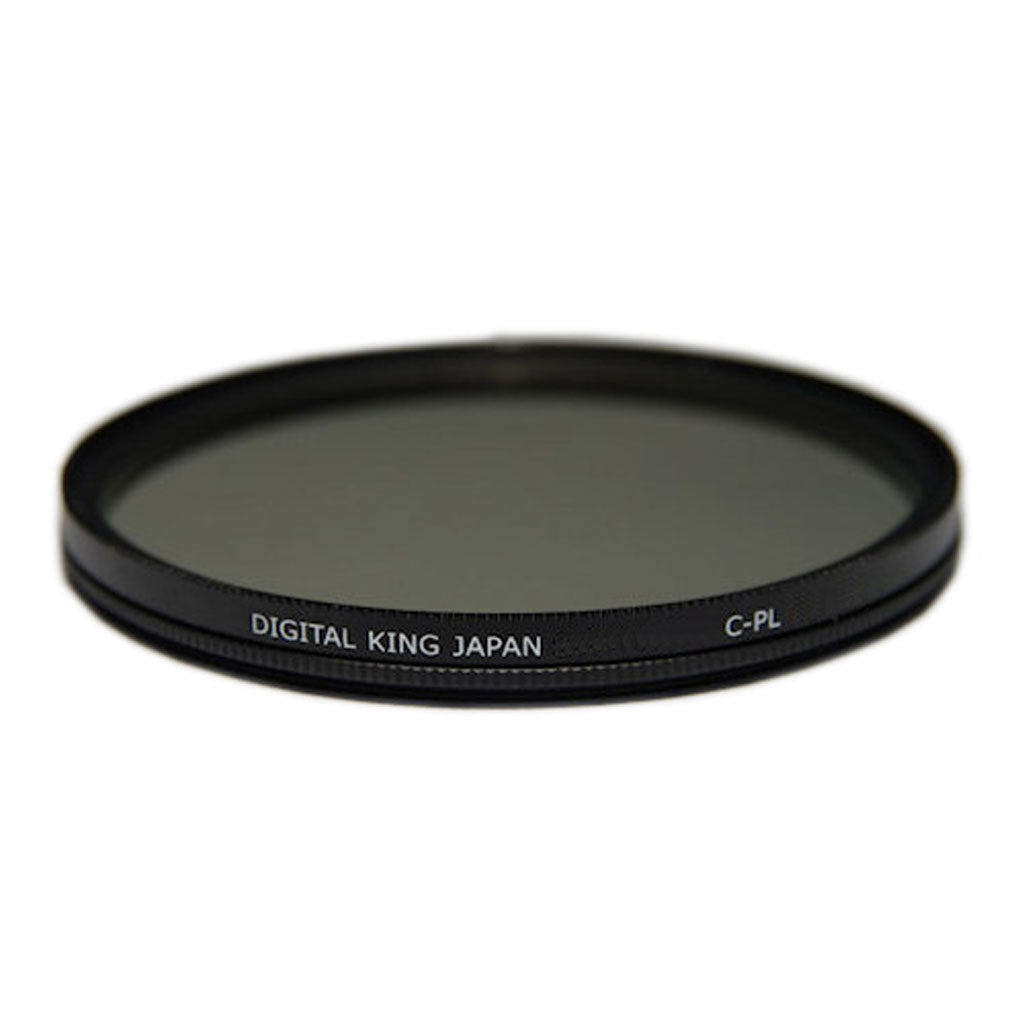
Akira CPL MC Circular Polarizer Filter for 62mm Lenses
CPL MC Circular Polarizer Filter for 62mm Lenses
The polarizing filter is certainly one of the most widely used. The filter's color is a very slight gray, which can reduce the scene's brightness by 1 to 2 stops. It consists of two pieces of glass: one fixed and one that rotates freely. This free movement allows for adjusting the intensity of the polarization. Polarization involves eliminating certain frequencies of the visible spectrum; translated: it allows for more saturated and contrasted images, in the case of cloudy skies, and especially with the ability to adjust reflections on non-metallic surfaces. This means that by rotating the filter ring, we can manage the reflections produced by glass, water surfaces, and any other non-metallic reflective surface. It is very effective for seeing beneath the water's surface or for taking photographs through glass, as well as for enhancing clear skies with well-defined white clouds.
Useful Information:
A photographic filter is an optical accessory that, when placed in front of the lens, can make a specific modification to the captured image. Its peculiarity is to selectively allow light to pass through, modifying what actually reaches the sensitive medium. By stating that no software can perfectly emulate the effect of filters, we confirm that: the modifications we make to the image directly during shooting, by modifying the light with the aid of a filter, will be more real and will maintain the original quality of the file (in the digital realm).
If, on the other hand, we tried to reproduce an effect through post-production, we would realize that the more we modify the file, the more the overall quality will suffer, and even when using a .RAW file, we would inevitably have to deal with the appearance of artifacts and a decrease in photo quality. The most used filters in photography are many but share a common characteristic: the way they are applied to the lens. There are mainly two types: screw-in filters and plate filters, which require an additional accessory to be used.
Akira CPL MC Circular Polarizer Filter for 62mm Lenses
CPL MC Circular Polarizer Filter for 62mm Lenses
The polarizing filter is certainly one of the most widely used. The filter's color is a very slight gray, which can reduce the scene's brightness by 1 to 2 stops. It consists of two pieces of glass: one fixed and one that rotates freely. This free movement allows for adjusting the intensity of the polarization. Polarization involves eliminating certain frequencies of the visible spectrum; translated: it allows for more saturated and contrasted images, in the case of cloudy skies, and especially with the ability to adjust reflections on non-metallic surfaces. This means that by rotating the filter ring, we can manage the reflections produced by glass, water surfaces, and any other non-metallic reflective surface. It is very effective for seeing beneath the water's surface or for taking photographs through glass, as well as for enhancing clear skies with well-defined white clouds.
Useful Information:
A photographic filter is an optical accessory that, when placed in front of the lens, can make a specific modification to the captured image. Its peculiarity is to selectively allow light to pass through, modifying what actually reaches the sensitive medium. By stating that no software can perfectly emulate the effect of filters, we confirm that: the modifications we make to the image directly during shooting, by modifying the light with the aid of a filter, will be more real and will maintain the original quality of the file (in the digital realm).
If, on the other hand, we tried to reproduce an effect through post-production, we would realize that the more we modify the file, the more the overall quality will suffer, and even when using a .RAW file, we would inevitably have to deal with the appearance of artifacts and a decrease in photo quality. The most used filters in photography are many but share a common characteristic: the way they are applied to the lens. There are mainly two types: screw-in filters and plate filters, which require an additional accessory to be used.
SKU:AKIRA CPL MC 62mm
Akira 62mm CPL MC Circular Polarizer Filter for Lenses
- Regular price
- €8,99
- Sale price
- €8,99
- Regular price
-
Hai trovato un prezzo migliore?

Akira CPL MC Circular Polarizer Filter for 62mm Lenses
CPL MC Circular Polarizer Filter for 62mm Lenses
The polarizing filter is certainly one of the most widely used. The filter's color is a very slight gray, which can reduce the scene's brightness by 1 to 2 stops. It consists of two pieces of glass: one fixed and one that rotates freely. This free movement allows for adjusting the intensity of the polarization. Polarization involves eliminating certain frequencies of the visible spectrum; translated: it allows for more saturated and contrasted images, in the case of cloudy skies, and especially with the ability to adjust reflections on non-metallic surfaces. This means that by rotating the filter ring, we can manage the reflections produced by glass, water surfaces, and any other non-metallic reflective surface. It is very effective for seeing beneath the water's surface or for taking photographs through glass, as well as for enhancing clear skies with well-defined white clouds.
Useful Information:
A photographic filter is an optical accessory that, when placed in front of the lens, can make a specific modification to the captured image. Its peculiarity is to selectively allow light to pass through, modifying what actually reaches the sensitive medium. By stating that no software can perfectly emulate the effect of filters, we confirm that: the modifications we make to the image directly during shooting, by modifying the light with the aid of a filter, will be more real and will maintain the original quality of the file (in the digital realm).
If, on the other hand, we tried to reproduce an effect through post-production, we would realize that the more we modify the file, the more the overall quality will suffer, and even when using a .RAW file, we would inevitably have to deal with the appearance of artifacts and a decrease in photo quality. The most used filters in photography are many but share a common characteristic: the way they are applied to the lens. There are mainly two types: screw-in filters and plate filters, which require an additional accessory to be used.
Couldn't load pickup availability


Terms and Conditions
Terms and Conditions
